
Auto Accident Chiropractor in Oakland, CA
Personalized auto accident injury care for whiplash, neck pain, back pain, concussion/TBI-related symptoms, dizziness, soft tissue injuries, imaging review, documentation support, and recovery after a crash.
Optimized Wellness Center is located at 3800 Piedmont Ave, Oakland, CA 94611
Pain After a Car Accident Can Show Up Later
Many people feel shaken after a crash but do not feel the full effect right away. Adrenaline, stress, inflammation, and muscle guarding can mask pain in the first hours after an accident. Then the next day, or even several days later, the neck stiffens, headaches begin, the low back locks up, or symptoms start traveling into the arm or leg.
You may also feel “off” in ways that are harder to explain, such as brain fog, dizziness, fatigue, poor sleep, light sensitivity, nausea, balance problems, anxiety while driving, or difficulty concentrating.
That does not mean you are imagining it. It means your body may need a more complete evaluation.
At OWC, we look beyond pain alone. We assess the injury pattern, posture, neurologic signs, vestibular symptoms, spinal function, soft tissue stress, imaging needs, and whether referral or co-management may be appropriate.
What Is Auto Accident Chiropractic Care?
Auto accident chiropractic care is the evaluation and treatment of injuries involving the spine, joints, muscles, ligaments, nerves, posture, movement, and function after a motor vehicle accident.
At Optimized Wellness Center, this may include chiropractic examination, orthopedic and neurologic screening, whiplash assessment, concussion/TBI symptom screening, vestibular evaluation when appropriate, postural analysis, MyoVision sEMG, PostureScreen, review of X-rays or MRIs, review of dynamic flexion and extension imaging when available, and referral for additional imaging or specialist care when clinically appropriate.
The goal is not simply to “crack your back.” The goal is to understand what was injured, how your body is functioning, what needs to be documented, what care may help, and what steps are needed for the best recovery possible.
Who Should Get Checked After a Car Accident?
You should get checked by Dr. Tim Heath here at Optimized Wellness Center if identify with any of these factors:
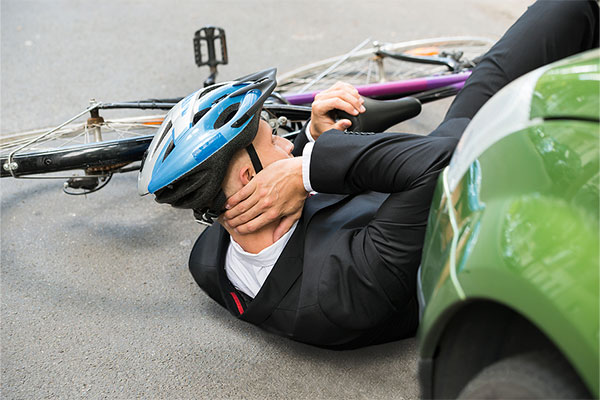
- Were recently in a car, truck, rideshare, motorcycle, bicycle, pedestrian, or freeway accident
- Have neck pain, back pain, headaches, stiffness, or soreness
- Felt okay at first but developed symptoms later
- Were evaluated at the ER but still do not feel right
- Have numbness, tingling, burning pain, weakness, or radiating symptoms
- Have dizziness, brain fog, light sensitivity, nausea, sleep disruption, balance issues, or concussion/TBI-like symptoms
- Need help deciding whether X-rays, MRI, dynamic flexion-extension images, or specialist referral may be appropriate
- Have MedPay benefits and want to start care quickly
- Are working with an attorney or considering whether you need one
- Want a clinic that understands both injury care and documentation
Common Symptoms After an Auto Accident
Neck and Whiplash Symptoms
- Neck pain
- Neck stiffness
- Reduced range of motion
- Pain turning your head while driving
- Upper back tightness
- Shoulder tension
- Headaches
- Jaw tension
Back and Spine Symptoms
- Low back pain
- Mid-back pain
- Rib pain
- Pain with sitting or standing
- Pain bending, lifting, or twisting
- Sciatica-like pain
- Muscle spasms
Nerve, Concussion/TBI, and Vestibular Symptoms
- Numbness
- Tingling
- Burning pain
- Pain traveling into the arm or leg
- Dizziness
- Balance problems
- Brain fog
- Fatigue
- Poor sleep
- Nausea
- Light or sound sensitivity
- Visual strain
- Feeling unsteady
- Feeling “not like yourself”
Extremity and Soft Tissue Symptoms
- Shoulder pain
- Hip pain
- Knee pain
- Wrist or hand pain
- Ankle or foot pain
- Seatbelt-related soreness
- Bruising or soft tissue tenderness
- Muscle guarding
Auto Accidents Are Common in California and the Bay Area
 Auto accidents are a regular reality in California and throughout the Bay Area. California tracks traffic crashes and injury trends through official systems such as SWITRS and UC Berkeley’s Transportation Injury Mapping System, or TIMS. The Bay Area also has the BayVIZ system, which helps public agencies analyze crash and roadway safety data across the nine-county region.
The point is not to create fear. The point is that new pain, stiffness, headaches, dizziness, concussion/TBI symptoms, or functional changes after a crash should not be ignored. Getting evaluated early can help clarify what was injured, what needs care, whether imaging or referral may be appropriate, and how to begin recovery.
More Than a Quick Adjustment After a Crash
Many accident clinics focus only on the area that hurts the most. At Optimized Wellness Center, we evaluate the full injury pattern.
That may include the spine, posture, soft tissues, neurologic function, balance, concussion/TBI symptoms, vestibular findings, extremity complaints, imaging history, functional limitations, and whether outside referral is needed.
This matters because auto accident injuries are often layered. A patient may have neck pain, but also headaches, dizziness, poor sleep, visual strain, shoulder pain, low back pain, and anxiety while driving. If those pieces are not documented and understood, the care plan may be incomplete.
Dr. Tim Heath’s training in whiplash, concussion/TBI-related presentations, functional neurology, postural neurology, and extremity care gives OWC a deeper lens for evaluating accident patients who do not feel normal after a crash.
Advanced Evaluation Tools for Auto Accident Injuries
MyoVision sEMG
MyoVision surface EMG may help assess patterns of paraspinal muscle activity, guarding, imbalance, and stress response in the spine. This can provide another layer of objective information during the evaluation and may help monitor changes over time.
PostureScreen
PostureScreen helps document posture, alignment, and structural compensation patterns. This can be especially helpful after auto accidents when patients develop guarding, asymmetry, forward head posture, altered weight-bearing, or protective movement patterns.
Imaging Review and Referral Coordination
Dr. Tim has extensive experience reviewing X-rays, MRIs, radiology reports, and other imaging information in the context of accident-related injuries. When appropriate, OWC may help patients understand whether additional imaging, specialist referral, or co-management is needed.
Dynamic flexion and extension images may be useful in selected whiplash and trauma cases because they can help assess how spinal segments move under stress, including movement patterns that may not be obvious on static images alone. This language should stay careful: not every patient needs dynamic imaging, and imaging decisions should be based on history, symptoms, exam findings, and clinical need.
Whiplash, Concussion/TBI, and Brain-Body Injury Awareness
Auto accidents can affect the body mechanically and neurologically. Whiplash may strain the neck, but it can also influence headaches, dizziness, balance, eye tracking, concentration, sleep, and nervous system regulation.
A concussion is a form of traumatic brain injury, often called TBI. Many patients recognize the word concussion but do not realize that brain fog, dizziness, light sensitivity, nausea, sleep disruption, balance issues, or feeling “off” after a crash may be concussion/TBI-related symptoms.
Dr. Tim’s training in whiplash, concussion/TBI-related presentations, functional neurology, vestibular patterns, and postural neurology gives OWC a deeper lens for evaluating patients who do not feel normal after a crash.
OWC does not replace emergency care, neurology, orthopedics, radiology, or vestibular specialists. But we are trained to recognize when symptoms need additional evaluation and when co-management may be appropriate.
Treatment Options That May Be Used After an Auto Accident
Chiropractic Care
Chiropractic care may help restore spinal motion, reduce mechanical irritation, improve mobility, and support healthier nervous system input after an accident. Techniques may be selected based on the patient’s injury, sensitivity, exam findings, and tolerance.
Dr. Tim’s chiropractic training includes multiple techniques such as SOT, Chiropractic Biophysics, Thompson Drop, Diversified, Activator, and other approaches. This allows care to be adapted to the patient rather than forcing every patient into the same style of adjustment.
Low-Level Laser Therapy / Cold Laser
Low-level laser therapy may be used to support tissue healing, inflammation modulation, pain reduction, and soft tissue recovery after an accident. This may be especially helpful for irritated muscles, joints, ligaments, and areas of tenderness.
PEMF Therapy
PEMF may be used to support tissue recovery, cellular energy, circulation, and calming of irritated tissues. It can be a useful supportive therapy for patients who are guarded, inflamed, sore, or slow to recover.
Shockwave Therapy
Shockwave may be helpful for more stubborn soft tissue injuries, tendon or ligament irritation, fascial restriction, chronic pain patterns, and areas that are not responding as expected. It should be used selectively, especially in acute cases, based on patient tolerance and clinical findings.
Compression Therapy
Compression may help support circulation, swelling reduction, lymphatic movement, and recovery, especially when patients have lower extremity symptoms, inflammation, or generalized post-accident soreness.
Whole Body Vibration
Whole Body Vibration may be used selectively to support circulation, proprioception, neuromuscular activation, balance, and recovery. It is not for every patient, but it can be helpful in the right phase of care.
Home Exercises and Rehab Guidance
Patients need more than passive care. OWC teaches home exercises and movement strategies to help restore mobility, reduce recurrence, improve posture, and support lasting outcomes. These may include stretching, mobility work, stabilization, posture retraining, breathing, balance, vestibular, or neurologic exercises depending on the case.
Have MedPay? You May Be Able to Start Care Sooner
Many California drivers do not realize they may have Medical Payments Coverage, commonly called MedPay, as part of their auto insurance policy. MedPay is optional auto insurance coverage that may help pay medical expenses after an accident regardless of who was at fault, up to the policy limits.
This can be very helpful after an accident because patients often need care before a legal claim is resolved. If you have MedPay on your auto insurance policy, OWC may be able to help you begin evaluation and care sooner while claim details are still being sorted out.
Coverage varies by policy, so patients should confirm benefits with their insurance carrier. OWC can help patients understand what information may be needed to move forward.
No Referral is Necessary
You do not need a medical referral to schedule an auto accident evaluation at Optimized Wellness Center. If you were recently in a crash and are experiencing pain, stiffness, headaches, dizziness, numbness, tingling, balance problems, or concussion/TBI-like symptoms, you can contact us directly.
If your case requires imaging, pain management, orthopedics, neurology, vestibular care, or another type of support, we can help guide the next steps and coordinate referrals when appropriate.
Documentation That Supports Clear Clinical Care
After an auto accident, documentation matters because it helps tell the clinical story clearly. Good records should describe what happened, what symptoms developed, which body regions were affected, what objective findings were present, how the patient is functioning, and how the patient responds to care.
At OWC, documentation may include chiropractic, orthopedic, neurologic, postural, concussion/TBI, vestibular, functional movement, and impairment-related findings when appropriate. We may also document MyoVision sEMG findings, PostureScreen findings, imaging review, dynamic flexion and extension image review, treatment response, home exercise recommendations, and referral needs.
OWC does not promise legal outcomes, settlement amounts, or case value. Our role is to provide thoughtful care, careful evaluation, and clear clinical documentation that reflects the patient’s history, findings, progress, treatment, and recommendations.
Coordinated Care When More Support Is Needed
 Some accident cases require more than one provider. When appropriate, OWC may help coordinate or co-manage care with pain management providers, orthopedists, neurologists, imaging centers, primary care doctors, physical therapists, vestibular specialists, attorneys, or other members of the patient’s care team.
This is especially important when symptoms suggest possible disc injury, nerve involvement, concussion/TBI, vestibular dysfunction, instability, fracture concern, worsening pain, or the need for additional diagnostic imaging.
We do not try to be everything for everyone. We help patients get the right care at the right time.
When Imaging or Referral May Be Needed
Not every auto accident patient needs advanced imaging. But some patients do need X-rays, MRIs, dynamic flexion and extension studies, orthopedic evaluation, neurologic evaluation, vestibular evaluation, pain management, or emergency medical care.
OWC may recommend imaging or referral when symptoms, examination findings, mechanism of injury, neurologic signs, instability concerns, worsening pain, or lack of expected progress suggest that more information is needed.
We do not order imaging just to order imaging. We also do not ignore red flags, neurologic signs, trauma history, or persistent symptoms that deserve a deeper look.
What to Expect at the First Visit
Your first visit may include:
- A detailed conversation about the accident
- Review of symptoms, timeline, and what has changed since the crash
- Review of prior ER, urgent care, imaging, or medical records when available
- Body-region-specific symptom review
- Chiropractic, orthopedic, neurologic, postural, vestibular, and functional assessment when appropriate
- MyoVision sEMG or PostureScreen testing when appropriate
- Review of X-rays, MRIs, reports, or dynamic imaging when available
- Discussion of whether additional imaging or referral may be needed
- Initial care recommendations
- A personalized treatment plan
- Documentation of findings and functional limitations
- Home exercise or self-care guidance when appropriate
Auto Accident Injury Care in Oakland and the East Bay
Optimized Wellness Center is located on Piedmont Avenue in Oakland and serves patients from Oakland, Piedmont, Alameda, Berkeley, Emeryville, Rockridge, Montclair, San Francisco, and the greater East Bay.
Many local patients come to us after accidents on East Bay streets, freeway commutes, rideshare trips, bridge traffic, bicycle incidents, pedestrian accidents, and everyday collisions that leave them with pain, stiffness, headaches, dizziness, or symptoms that interfere with work, driving, sleep, and daily life.
No referral is necessary. Patients can contact OWC directly after an accident and begin the process of getting evaluated.
Auto Accident Injury Care FAQ
Yes, it is often wise to be evaluated after a car accident if you have pain, stiffness, headaches, numbness, tingling, dizziness, reduced range of motion, or symptoms that appeared after the crash. At OWC, we evaluate the spine, soft tissues, posture, neurologic findings, vestibular symptoms, functional limitations, and whether imaging or referral may be needed.
No. You do not need a referral to schedule an auto accident evaluation at OWC. Patients can contact us directly after a crash. If imaging, pain management, orthopedics, neurology, vestibular care, or another provider is needed, we can help guide that process when appropriate.
Many accident symptoms show up later. Adrenaline, stress, inflammation, and muscle guarding can mask pain at first. If you develop neck pain, back pain, headaches, stiffness, dizziness, or brain fog hours or days later, it is still appropriate to get evaluated.
Emergency rooms are designed to rule out life-threatening injuries, fractures, bleeding, and urgent medical problems. That is important, but it does not always evaluate soft tissue injury, spinal joint dysfunction, ligament stress, muscle guarding, posture changes, vestibular symptoms, or functional movement problems. OWC can help evaluate those areas after you are medically stable.
Yes. OWC provides whiplash-informed evaluation and care for neck pain, stiffness, headaches, upper back pain, posture changes, dizziness, and related symptoms. Care may include chiropractic treatment, objective testing, low-level laser therapy, PEMF, compression, shockwave when appropriate, whole body vibration when appropriate, and home exercises.
OWC can screen for concussion/TBI-related symptoms such as headaches, dizziness, brain fog, fatigue, sleep disruption, light sensitivity, balance changes, visual strain, nausea, or feeling “off.” We do not replace emergency care or neurology, but Dr. Tim’s training in whiplash, concussion/TBI-related presentations, functional neurology, and postural neurology helps identify when referral or co-management may be appropriate.
Yes, when appropriate. Some patients develop dizziness, balance changes, motion sensitivity, visual discomfort, or unsteadiness after an accident. OWC may assess vestibular and neurologic patterns and coordinate care with other providers if additional evaluation is needed.
Yes. Dr. Tim regularly reviews X-rays, MRIs, reports, and related imaging information as part of the clinical picture. OWC may also recommend additional imaging or referral when examination findings, symptoms, trauma history, or lack of progress suggest that more information is needed.
Flexion and extension X-rays are dynamic images taken while the spine bends forward and backward. In selected trauma or whiplash cases, they may help evaluate abnormal movement, displacement, or instability between spinal segments that may not be obvious on static images. Whether they are appropriate depends on the patient’s history, symptoms, and exam findings.
MedPay is optional auto insurance coverage that may help pay medical expenses after a car accident regardless of who was at fault, up to the policy limits. If you have MedPay, OWC may be able to help you begin evaluation and care sooner while claim details are being sorted out. Coverage depends on your specific policy.
Yes. When clinically appropriate, OWC may coordinate or co-manage care with pain management, orthopedics, neurology, imaging centers, primary care, physical therapy, vestibular specialists, attorneys, or other providers involved in the patient’s recovery.
Get Checked After an Auto Accident
If you were recently in a car accident and are dealing with pain, stiffness, headaches, dizziness, numbness, tingling, brain fog, balance problems, or symptoms that simply do not feel normal, Optimized Wellness Center can help you take the next step.
Our Oakland clinic provides advanced accident injury evaluation, chiropractic care, objective testing, imaging review, referral coordination, and recovery therapies designed to help you heal as fully as possible.
No referral is necessary.
Call (510) 497-4424 to schedule an auto accident evaluation or book online.