Cold Laser Therapy in Oakland, CA
Non-invasive low-level light therapy to support pain relief, inflammation control, tissue repair, nerve function, and recovery.
Optimized Wellness Center is located at 3800 Piedmont Ave, Oakland, CA 94611
When Pain, Inflammation, or Slow Recovery Keeps Getting in the Way
Pain can make life feel smaller. It can interrupt your walks, workouts, sleep, work, driving, lifting, hobbies, and confidence in your own body.
Many patients look for cold laser therapy after trying rest, stretching, massage, medication, injections, physical therapy, or generic care and still feeling like something is not fully resolving.
At Optimized Wellness Center, the goal is not simply to “try a laser.” The goal is to understand what your body needs in order to recover better. Cold laser therapy may be one tool we use to support pain relief, inflammation control, tissue repair, nerve function, and improved recovery.
This page may be helpful if you are dealing with:
- Neck pain, back pain, shoulder pain, knee pain, hip pain, foot pain, or joint pain
- Sports injuries, repetitive strain, tendinitis, or soft tissue irritation
- Numbness, tingling, burning, or irritated nerve symptoms
- Scar tissue, stiffness, or reduced range of motion
- Auto accident or personal injury-related pain
- Chronic inflammation or recurring flare-ups
- Slower-than-expected recovery
- A desire for a non-invasive, non-drug, non-surgical option
What is Cold Laser Therapy?
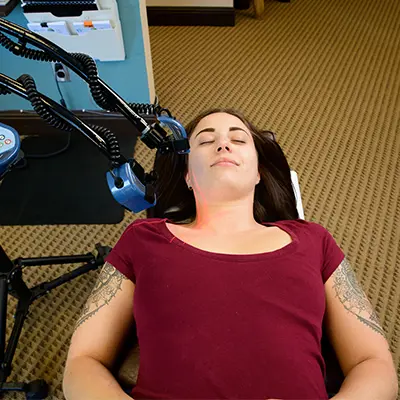
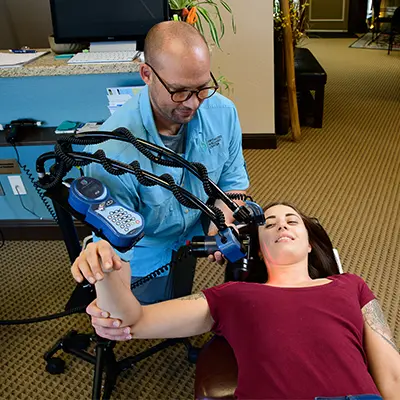 Cold laser therapy is a non-invasive form of low-level light therapy, also called low-level laser therapy or photobiomodulation. It uses specific wavelengths of light to influence cellular signaling without cutting, burning, heating, or damaging tissue.
The word “cold” does not mean the laser feels cold. It means the therapy is non-thermal. The goal is not to heat the tissue. The goal is to support biological processes involved in cellular energy, inflammation regulation, circulation, tissue repair, and pain signaling.
At OWC, we use Erchonia Class II cold laser technology, which is designed for low-level, non-thermal photobiomodulation.
A simple way to explain it:
A thermal laser works more like heat.
A cold laser works more like a biological signal.
Why OWC Uses Erchonia Class II Cold Lasers
Most patients do not begin by asking for Erchonia by name. They usually begin by asking whether cold laser therapy can help with pain, inflammation, injury recovery, or slow healing.
That said, the type of laser matters.
OWC uses Erchonia Class II cold laser technology because Erchonia has been a leader in low-level laser therapy and has a strong FDA-clearance history in this category. Current Erchonia public materials describe 25 FDA clearances. Specific claims should be tied to the correct device and indication.
This must be presented carefully. Do not imply that one device is cleared for every condition or that FDA clearance guarantees a patient result.
Non-thermal Class II laser technology
Erchonia Class II cold lasers are designed to create a photobiomodulation effect without heating the tissue.
Category-leading FDA clearance history
Erchonia has a meaningful FDA-clearance history in the low-level laser category. Use precise, current wording and avoid broad overstatements.
Comfortable patient experience
Most patients do not feel heat, shock, vibration, or pain during treatment.
Clinically flexible application
Laser therapy may be applied to joints, muscles, tendons, ligaments, scars, nerves, lymphatic regions, acupuncture-style points, or broader recovery patterns depending on the patient’s needs.
Used as part of a bigger OWC plan
At OWC, laser therapy may be used alone or combined with chiropractic care, PEMF, ozone, shockwave, compression, functional medicine, or home care when appropriate.
How Low-Level Light May Help the Body Recover
Photobiomodulation research commonly describes effects on cellular energy, mitochondrial signaling, nitric oxide signaling, circulation, inflammation, tissue repair, and pain modulation. In patient language, this means cold laser therapy may help the body shift from irritation and protection toward repair and recovery.
Think of injured or inflamed tissue like a busy city with a traffic problem. Nutrients and oxygen need to arrive. Waste products need to leave. Repair signals need to be clear. Pain is often the alarm system.
Cold laser therapy may help improve the signals that guide those repair processes.
Laser therapy may support:
- ATP production and cellular energy
- Mitochondrial signaling
- Nitric oxide and microcirculation
- Inflammation regulation
- Soft tissue repair
- Nerve signaling
- Pain modulation
- Lymphatic and fluid movement
- Scar tissue remodeling
- Recovery after injury or overuse
Common Reasons Patients Consider Cold Laser Therapy
Cold laser therapy may be considered when pain, inflammation, nerve irritation, stiffness, or slow recovery are part of the clinical picture. At OWC, we first evaluate the person and the pattern before recommending any therapy.
Pain and mobility
- Neck pain
- Back pain
- Sciatica
- Shoulder pain
- Knee pain
- Hip pain
- Foot and ankle pain
- Arthritis-related stiffness
- Reduced range of motion
Soft tissue and injury recovery
- Muscle strains
- Ligament sprains
- Tendinitis
- Sports injuries
- Repetitive strain injuries
- Scar tissue restrictions
- Auto accident-related soft tissue injuries
Nerve and brain-body function
- Numbness
- Tingling
- Burning pain
- Nerve irritation
- Carpal tunnel-type symptoms
- Radiating arm or leg pain
- Headache patterns related to neck tension or injury
Inflammation and recovery capacity
- Chronic inflammation patterns
- Slow recovery after injury
- Recurring flare-ups
- Poor tissue repair
- Fatigue after activity
- Complex inflammatory patterns when part of a broader functional medicine plan
How We Decide Whether Cold Laser Therapy Fits
Cold laser therapy is most useful when it is matched to the right clinical goal. Before recommending it, OWC looks at the patient’s symptoms, history, movement, tissue sensitivity, neurologic signs, recovery capacity, and prior response to care.
For example, two patients may both have knee pain, but one may need help with tendon irritation, another may need joint mechanics addressed, another may need inflammation and recovery support, and another may need referral or imaging before therapy decisions are made.
This is why OWC does not treat cold laser therapy as a one-size-fits-all solution. The care plan should connect the patient’s problem to the evaluation findings and then to the most appropriate treatment options.
Possible contributing factors may include:
- joint restriction or altered mechanics
- muscle guarding
- tendon or ligament irritation
- scar tissue
- nerve irritation
- inflammation
- reduced circulation
- poor recovery capacity
- stress physiology
- mitochondrial or metabolic stress
- prior injury or auto accident history
Possible treatment options may include:
- cold laser therapy
- chiropractic care
- PEMF therapy
- ozone therapy
- shockwave therapy
- functional medicine support
- home-care strategies
- imaging or outside referral when appropriate
How OWC Uses Cold Laser Therapy Differently
At Optimized Wellness Center, cold laser therapy is not treated like a random add-on. We use it as part of a thoughtful care plan.
We begin by understanding your symptoms, history, goals, prior care, and what you want to get back to doing. Then we look for the factors that may be keeping your body irritated or slow to recover.
Depending on the case, this may include joint mechanics, movement patterns, nerve irritation, inflammation, scar tissue, poor circulation, reduced cellular energy, stress physiology, or broader functional medicine contributors.
The goal is to decide whether cold laser therapy is appropriate and how it should fit into your plan.
OWC differentiators to include
- Personalized care instead of one-size-fits-all treatment
- Chiropractic and functional neurology-informed assessment
- Functional medicine thinking for chronic and complex cases
- Advanced therapies available under one roof
- Thoughtful stacking when appropriate
- Progress review and care refinement
- Clear explanations so patients understand why each therapy is recommended
- Clinical review by Dr. Tim Heath, DC, MBA, CCEP
How Cold Laser Therapy Fits Into the CLEAR Protocol
For many patients, the most important part of care is not simply choosing a device. It is choosing the right process.
OWC’s CLEAR Protocol helps organize care so patients understand what is happening, why recommendations are being made, and how the plan may change as their response becomes clearer.
Connect
We listen to your story, symptoms, goals, concerns, and what you have already tried.
Locate
We identify the key structural, neurologic, inflammatory, metabolic, or recovery-related contributors.
Educate
We explain what we think is happening in plain language so the plan makes sense.
Activate
We apply the right therapies, which may include cold laser therapy, chiropractic care, PEMF, ozone, shockwave, compression, functional medicine, or home-care strategies.
Refine
We track your response and adjust the plan based on progress, tolerance, goals, and long-term needs.
When Cold Laser Therapy Is Part of an Advanced Therapy Stack
Some patients need one focused therapy. Others benefit from a coordinated plan that supports the same goal from more than one angle.
At OWC, advanced therapy stacks are not random combinations. They are selected based on the patient’s goals, exam findings, recovery capacity, and response to care.
For cold laser therapy, the question is not, “How many tools can we use?” The better question is, “Which tools best support this patient’s recovery goal?”
Essential Stack
The Essential Stack uses two of the following therapies when clinically appropriate:
- Cold laser therapy
- Ozone therapy
- PEMF therapy
This is the simplest advanced therapy pairing when a patient may benefit from more than one layer of support but does not need every available therapy.
The Essential Stack may be considered when the goal is to support pain relief, inflammation control, circulation, cellular energy, and recovery without overcomplicating the starting plan.
Mito Stack: Cold Laser + Ozone
The Mito Stack combines cold laser therapy with ozone therapy when the goal is stronger support for mitochondrial function, oxygen metabolism, redox signaling, inflammation regulation, and tissue recovery.
The Mito Stack may be used for patients with:
- slow recovery
- chronic inflammation patterns
- fatigue with pain
- poor tissue healing
- complex or recurring flare-ups
- patients who may need more cellular and oxygen-metabolism support
Cold laser therapy provides light-based cellular signaling, while ozone therapy may support oxygen metabolism and redox balance. Together, they may help the body shift toward better repair, resilience, and recovery when clinically appropriate.
Frequency Stack: Cold Laser + PEMF
The Frequency Stack combines cold laser therapy with PEMF therapy when the goal is to support cellular signaling, circulation, tissue recovery, pain modulation, and nervous system regulation.
Use the Frequency Stack when relevant for patients with:
- pain and stiffness
- injury recovery
- nerve irritation
- poor circulation or recovery capacity
- muscle guarding
- stress-related tension
- patients who respond well to non-invasive energy-based therapies
Cold laser therapy uses low-level light to support cellular signaling, while PEMF therapy uses pulsed electromagnetic fields to support recovery and regulation. Together, they may help calm irritated tissue and support better movement, comfort, and healing response.
Energy Stack: PEMF + Ozone
The Energy Stack does not include cold laser therapy as one of its two core therapies, but it should be mentioned briefly because it is part of OWC’s broader advanced therapy framework.
The Energy Stack combines PEMF therapy and ozone therapy when the goal is to support oxygen metabolism, cellular energy, circulation, and recovery capacity.
Some patients may be better served by PEMF and ozone rather than cold laser therapy. OWC’s role is to choose the right tools for the person, not force every patient into the same plan.
Cold Laser Therapy After Auto Accidents or Personal Injury
After an auto accident or personal injury, pain may involve irritated joints, strained muscles, ligament stress, inflammation, scar tissue, altered movement patterns, nerve irritation, or nervous system sensitization.
When clinically appropriate, cold laser therapy may be included as part of a documentation-aware injury care plan. At OWC, personal injury care may include:
- body-region-specific evaluation
- documentation of symptoms and functional limitations
- chiropractic, orthopedic, neurologic, and postural assessment when appropriate
- review of imaging or referral needs
- laser therapy for pain, inflammation, and tissue recovery support
- coordination with attorneys or other providers when appropriate
- clear treatment plans and progress updates
What to Expect at Your First Visit
Your first visit is designed to help us understand whether cold laser therapy is appropriate for you and how it should fit into your care.
Your appointment may include:
- a detailed conversation about your symptoms, goals, and health history
- review of previous care, imaging, labs, or records when available
- chiropractic, orthopedic, neurologic, or functional assessment when appropriate
- discussion of structural, inflammatory, neurologic, metabolic, or recovery-related contributors • an explanation of whether cold laser therapy is appropriate
- initial care when clinically appropriate
- a recommended next-step plan
Some patients may benefit from a focused series of laser visits. Others may need cold laser therapy combined with chiropractic care or other therapies. Chronic or complex cases may require a broader CLEAR Protocol or functional medicine plan.
OWC offers single visits and approved package options when appropriate. If imaging, medical co-management, or referral to another provider appears appropriate, OWC will discuss that with the patient.
Cold Laser Therapy in Oakland and the East Bay
Optimized Wellness Center is located on Piedmont Avenue in Oakland and serves patients from Oakland, Piedmont, Alameda, Berkeley, Emeryville, Rockridge, Montclair, Temescal, Lake Merritt, San Francisco, and the greater East Bay.
Many patients who come to OWC are active adults, desk workers, healthcare workers, athletes, parents, retirees, and people managing chronic health concerns who want a more personalized option than generic symptom care.
Our office is located at:
Optimized Wellness Center
3800 Piedmont Ave
Oakland, CA 94611
(510) 497-4424
OWC is conveniently located near the Oakland Kaiser campus, with nearby street parking and local parking options.
FAQ: Cold Laser Therapy in Oakland
Cold laser therapy is a non-invasive form of low-level light therapy that uses specific wavelengths of light to support cellular signaling, pain relief, inflammation control, tissue repair, and recovery.
Yes. Cold laser therapy is one form of photobiomodulation, which means using light to influence biological activity. Photobiomodulation is often the more precise term because the goal is cellular signaling rather than heat.
Most patients find it comfortable and painless. Class II cold laser therapy does not create the heat, shock, vibration, or tissue damage people may associate with other procedures.
OWC uses Erchonia Class II cold lasers because Erchonia has been a leader in low-level laser therapy and has a strong FDA-clearance history in this category. Specific device and indication details should be verified before publishing regulatory claims.
Class II cold lasers are low-level, non-thermal devices designed for photobiomodulation. Class IV lasers are higher powered and often produce heat. They are not the same tool and should not be described as identical.
Cold laser therapy may be considered for neck pain, back pain, soft tissue injuries, arthritis-related pain, sports injuries, nerve irritation, scar tissue, inflammation, and recovery challenges. The best use depends on the individual patient and exam findings.
OWC starts with the patient’s symptoms, history, goals, prior care, and evaluation findings. Cold laser therapy may be recommended when it fits the patient’s clinical picture and recovery goals.
The number of visits depends on your condition, how long it has been present, your overall health, and how your body responds. Acute issues may need fewer visits, while chronic or complex patterns often require a more structured plan.
Yes. Cold laser therapy often pairs well with chiropractic care because adjustments may improve joint motion and nervous system input, while laser therapy may support the surrounding tissues involved in pain, inflammation, and recovery.
Yes, when clinically appropriate. Cold laser therapy may be part of the Essential Stack, Mito Stack, or Frequency Stack depending on the patient’s goals and clinical findings. Not every patient needs a combination.
No referral is typically needed to schedule at Optimized Wellness Center. If your case requires imaging, medical co management, or referral to another provider, we will discuss that with you.
Find Out If Cold Laser Therapy Is Right for You
If pain, inflammation, injury, nerve irritation, or slow recovery is limiting your life, cold laser therapy may be worth considering as part of a personalized care plan.
At Optimized Wellness Center, we will help you understand what may be contributing to your symptoms and whether cold laser therapy, chiropractic care, PEMF, ozone, shockwave, functional medicine, or another approach makes the most sense for your goals.
Call Optimized Wellness Center at (510) 497-4424 to schedule an appointment or book online.