

Sciatica Treatment in Oakland, CA
Personalized chiropractic and advanced therapy support for sciatic nerve pain, lower back pain, and radiating leg symptoms—designed to help identify the pattern, calm irritation, and restore better movement.
Optimized Wellness Center is located at 3800 Piedmont Ave, Oakland, CA 94611
Why Patients Choose Optimized Wellness Center for Sciatica Care
- Award-winning chiropractic and alternative medicine care in Oakland
- Personalized, high-touch care instead of one-size-fits-all treatment
- Advanced therapies under one roof
- Chiropractic, functional neurology thinking, and functional medicine perspective
- Convenient Piedmont Avenue location near the Oakland Kaiser campus
- Support for auto accident and personal injury documentation when appropriate
- Focused care plans, small packages, and maintenance options when appropriate
- Clear explanations so you understand what is happening and what to do next
Sciatica Can Feel Like More Than Back Pain
Many people think of sciatica as “back pain,” but patients usually describe it differently.
- “Pain is shooting down my ”
- “It feels ”
- “My leg ”
- “My foot ”
- “I can’t sit for ”
- “Driving makes it ”
- “Stretching helps for a little while, but it keeps coming ”
- “My MRI did not explain ”
- “I was fine before the ”
- “I am worried this means I need ”
For some people, sciatica is mild and annoying. For others, it disrupts sleep, work, exercise, parenting, driving, travel, and basic daily movement.
The good news is that sciatica does not automatically mean surgery, injections, or long-term medication. The first step is understanding what is contributing to the nerve irritation and whether the pattern is mechanical, inflammatory, neurologic, injury-related, or a combination.
What is Sciatica?
Sciatica is a symptom pattern caused by irritation, compression, inflammation, or sensitivity involving the sciatic nerve or the nerve roots that contribute to it.
The sciatic nerve is the large nerve pathway that travels from the lower back and pelvis into the buttock, back of the leg, calf, and foot. When this pathway becomes irritated, symptoms may travel away from the spine and into the leg.
Sciatica is often talked about like a diagnosis, but it is more accurate to think of it as a clue. The better question is not simply, “Do I have sciatica?” The better question is: What is irritating the nerve, and what needs to change so the body can recover?
Who This Page is For
- Lower back pain with pain traveling into the buttock or leg
- Numbness, tingling, burning, or electric sensations
- Pain that worsens with sitting, driving, bending, lifting, or walking
- Symptoms after an auto accident or personal injury
- A history of disc issues, spinal degeneration, or recurring back pain
- Pain that has not fully responded to stretching, massage, medication, injections, or basic exercises
- A desire for a personalized, non-drug, non-surgical approach
- Interest in chiropractic care and advanced therapies under one roof
- Concern that prior care did not explain why symptoms keep returning
Common Sciatica Symptoms We Evaluate
Pain and Mobility Symptoms
- Low back pain
- Buttock pain
- Hip pain
- Pain down the back, side, or front of the leg
- Pain with sitting
- Pain with driving
- Pain with bending or lifting
- Difficulty standing upright
- Pain with stairs, squatting, walking, or exercise
Nerve Symptoms
- Numbness
- Tingling
- Burning pain
- Electric shock sensations
- Leg heaviness
- Foot symptoms
- Weakness or reduced confidence using the leg
Functional Limitations
- Trouble sitting at a desk
- Pain during commutes
- Disrupted sleep
- Difficulty exercising
- Trouble lifting children, groceries, equipment, or work materials
- Avoiding movement due to fear of flare-ups
- Difficulty returning to sports, training, hiking, cycling, or running
What Causes Sciatica?
Disc Irritation
A bulging, herniated, or irritated lumbar disc may place pressure on nearby nerve roots or create inflammation around sensitive tissues. Disc irritation can sometimes cause pain, numbness, tingling, or weakness down the leg.
Spinal Joint Dysfunction
Restricted or irritated spinal joints can alter movement patterns, increase muscle guarding, and contribute to nerve sensitivity. When the lower back and pelvis are not moving well, nearby tissues may become more irritated.
Pelvic and Hip Mechanics
The pelvis and hips influence how force travels through the lower back and legs. If the hips, pelvis, or lumbar spine are not sharing motion well, certain tissues may become overloaded.
Muscle Guarding or Compression
Tight or irritated muscles around the pelvis, hip, and buttock may contribute to sciatic-type symptoms. The piriformis muscle is one common example, but it is rarely the only thing worth evaluating.
Auto Accident or Personal Injury
Sciatic-type symptoms can appear after a crash, fall, or injury. Sometimes symptoms begin immediately. Other times, inflammation, muscle guarding, joint irritation, and altered movement patterns build over hours, days, or weeks.
Inflammation and Recovery Capacity
Inflammation can make nerves more sensitive. Sleep, stress physiology, circulation, nutrition, immune balance, and tissue recovery capacity can all influence how quickly someone improves.
Nervous System Sensitivity
Sometimes the nervous system becomes “turned up,” making pain signals louder than expected. This is one reason we consider neurologic function, stress load, breathing patterns, movement confidence, and recovery capacity.
Why Sciatica Is Not Always a Simple “Pinched Nerve”
Many patients are told they have a pinched nerve, tight piriformis, or disc problem. Sometimes that is true. But sciatica is often more layered.
Pain is like a smoke alarm. The alarm matters, but the bigger question is what is creating the smoke.
- The lumbar spine
- Pelvis and hips
- Disc and joint mechanics
- Muscle tension and guarding
- Nerve irritation
- Inflammation
- Circulation
- Tissue recovery
- Prior injuries
- Movement habits
- Stress physiology
- Mitochondrial and cellular resilience when relevant
This is where OWC’s approach is different. We are not just trying to quiet the alarm. We are trying to understand why it is ringing.
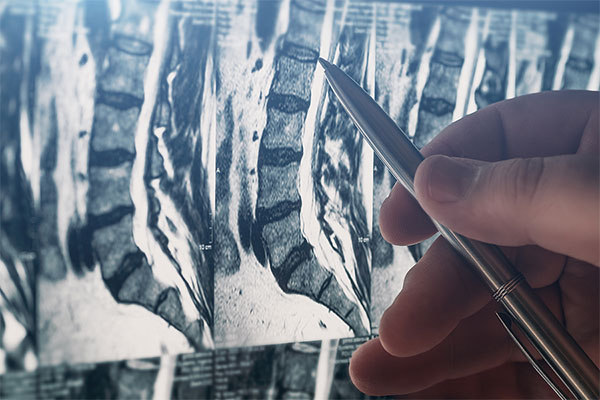
What If My X-Ray or MRI Was “Normal,” But I Still Have Sciatica?
A normal or mild imaging report does not always mean your pain is imaginary, minor, or unimportant.
- How your joints move
- How your nervous system is responding
- How your muscles are guarding
- Whether your symptoms change with position or motion
- How inflammation and recovery capacity are affecting symptoms
- Whether your body has compensated after a prior injury
At OWC, imaging is treated as one piece of the puzzle. We also evaluate movement, function, orthopedic findings, neurologic signs, symptom behavior, injury history, posture, and how your body responds to care.
When Sciatica Symptoms Should Be Evaluated Urgently
Most sciatica cases are not emergencies, but certain symptoms should be evaluated promptly.
- New loss of bowel or bladder control
- Numbness in the groin or saddle area
- Rapidly worsening leg weakness
- Major trauma
- Fever with severe back pain
- Unexplained weight loss with severe pain
- Symptoms that feel severe, unusual, or rapidly progressive
If you are unsure whether your symptoms are appropriate for our office, call us and we can help you determine the best next step.
How We Treat Sciatica at Optimized Wellness Center
At Optimized Wellness Center, sciatica care begins with a thoughtful evaluation.
- Where your symptoms travel
- What makes them better or worse
- Whether symptoms are mechanical, neurologic, inflammatory, injury-related, or mixed
- What you have already tried
- Whether imaging, referrals, or co-management may be appropriate
- What kind of care plan fits your goals, schedule, budget, and level of complexity
Your plan may include chiropractic care, soft tissue work, home exercises, advanced therapies, recovery strategies, lifestyle recommendations, and progress tracking.
The goal is not to make you dependent on care. The goal is to help you understand the problem, reduce irritation, improve function, and build a realistic path forward.
Ready to get clarity about your sciatica? Schedule an appointment or call (510) 497-4424.
The CLEAR Protocol for Sciatica
When appropriate, we use Optimized Wellness Center’s CLEAR framework to organize care.
Connect
We listen to your story, symptoms, goals, prior care, injury history, lifestyle, and concerns. This includes understanding what you have already tried and what you are hoping to avoid.
Locate
We identify the likely contributors. This may include spinal mechanics, disc irritation, pelvic imbalance, nerve sensitivity, inflammation, muscle guarding, injury patterns, or recovery limitations.
Educate
We explain what we find in plain language so you understand what is happening and why the care plan makes sense.
Activate
We apply the right combination of care. This may include chiropractic care, advanced therapies, home care, lifestyle guidance, and referral coordination when needed.
Refine
We track your response and adjust the plan based on progress, flare-ups, goals, and long-term needs.
Therapies That May Be Part of a Sciatica Care Plan
Not every patient needs every therapy. The right plan depends on your history, exam findings, symptom behavior, goals, and response to care.
Chiropractic Care
Our approach to chiropractic care in Oakland may help improve spinal and pelvic mechanics, reduce joint restriction, improve movement patterns, and support better nervous system communication.
At OWC, care is personalized. Dr. Tim Heath, DC, MBA, CCEP has trained in multiple chiropractic approaches, including Diversified, Thompson Drop, Activator, SOT, Chiropractic Biophysics-informed analysis, extremity adjusting, and gentle approaches when needed.
Flexion Distraction
Flexion distraction may be used when a gentler lumbar approach is appropriate, especially for certain low back, disc, or radiating pain patterns.
Cold Laser Therapy
Cold laser therapy, also known as low-level laser therapy or photobiomodulation, may support tissue repair, inflammation modulation, and nerve-related recovery processes.
PEMF Therapy
PEMF therapy in Oakland may support circulation, cellular energy, tissue recovery, and microvascular function. This may be useful when sciatica is part of a broader recovery, inflammation, or tissue-healing pattern.
Shockwave Therapy
Shockwave therapy in Oakland may be considered when soft tissue restriction, tendon involvement, chronic muscle tension, or stubborn local tissue irritation contributes to the pain pattern.
Whole Body Vibration, WBV
Whole Body Vibration may be used to support circulation, neuromuscular activation, lymphatic movement, and gentle movement-based recovery when appropriate.
When Targeted Therapy Stacks May Be Considered
In more complex or slower-healing cases, we may consider targeted therapy combinations when clinically appropriate.
| Frequency Stack | Cold Laser + PEMF |
| Mito Stack | Cold Laser + Ozone |
| Energy Stack | PEMF + Ozone |
| Align Stack | Shockwave + Cold Laser or Adjustment |
These are not random add-ons. They are considered when the goal is to support tissue healing, nerve recovery, circulation, inflammation balance, and improved function.
Not every sciatica patient needs a stack. The care plan should fit the person, not the other way around.
Will I Be Pressured Into a Long Care Plan?
No. At OWC, we recommend care based on your findings, goals, and response to treatment.
Some patients need a short focused plan. Others with chronic, recurring, or injury-related sciatica may benefit from a more structured package. Some patients choose maintenance care because they feel and function better with periodic support.
The goal is not to scare you into care forever. The goal is to help you understand your options and choose a plan that makes sense.
Sciatica After an Auto Accident or Personal Injury
Sciatica after a crash should be evaluated carefully.
Even if pain does not appear immediately, an auto accident can create spinal, pelvic, disc, ligament, muscle, and nerve irritation. Symptoms may evolve over hours, days, or weeks as inflammation and guarding increase.
- Review of accident details
- Body-region-specific symptom documentation
- Chiropractic, orthopedic, neurologic, and functional assessment
- Review of prior imaging or records
- Referral for imaging when clinically appropriate
- Clear progress notes and reports
- Communication with attorneys or other providers when appropriate
- Co-management with imaging centers, pain management, orthopedics, or other providers when needed
- At-home care training to support recovery between visits
Our auto accident chiropractor in Oakland and personal injury chiropractor in Oakland pages explain more about how we evaluate, document, and support injury-related cases.
OWC does not promise legal outcomes or settlement results. Our role is to provide clinically thoughtful, documentation-aware care that may help clarify injuries, function, progress, and appropriate next steps.
If your sciatica began after an accident, call us at (510) 497-4424 or click below to schedule an evaluation.
Do You Need an MRI for Sciatica?
Not always.
Many cases of sciatica can begin with a careful clinical evaluation. Imaging may be appropriate if symptoms are severe, progressive, traumatic, not improving as expected, or associated with concerning neurologic findings.
- Significant weakness
- Progressive numbness
- Loss of coordination
- Severe trauma
- Symptoms that are worsening
- Lack of improvement with appropriate care
- Concern for disc injury, instability, fracture, or other pathology
If you already have X-rays, MRIs, or reports, bring them to your visit. We are happy to review them as part of your overall clinical picture.
Functional Medicine and Recovery Capacity
Sciatica is often mechanical, but healing is biological.
If someone is inflamed, exhausted, under-slept, nutritionally depleted, stressed, metabolically challenged, or dealing with chronic immune activation, recovery may be slower.
- Inflammation
- Blood sugar regulation
- Nutrient status
- Sleep quality
- Stress physiology
- Mitochondrial function
- Oxygen metabolism
- Nervous system regulation
- Gut and immune patterns when relevant
This does not mean every sciatica patient needs functional medicine. It means we keep the bigger picture in mind, especially when symptoms are chronic, recurring, or not responding as expected.
When appropriate, our functional medicine and CLEAR Protocol approach can help evaluate the deeper factors affecting healing, recovery, and resilience.
What to Expect at Your First Visit
- A detailed conversation about your symptoms, goals, and health history
- Review of prior care, imaging, labs, or records when available
- Chiropractic, orthopedic, neurologic, and movement-based assessment
- Evaluation of how symptoms respond to position, motion, and loading
- Discussion of possible contributing factors
- Initial care when appropriate
- A personalized next-step plan
For auto accident or personal injury patients, we may also discuss:
- Accident details
- Functional limitations
- Body regions involved
- Documentation needs
- Imaging or referral options
- Attorney coordination when appropriate
Local Sciatica Care in Oakland and the East Bay
Optimized Wellness Center is located on Piedmont Avenue in Oakland, conveniently serving patients from Oakland, Piedmont, Rockridge, Alameda, Berkeley, Emeryville, San Francisco, and the greater East Bay.
We are located near the Oakland Kaiser campus, with street parking, nearby garage parking, and local transit options that make visits easier for patients coming from work, home, or nearby medical appointments.
For many patients, sciatica is not just a “back problem.” It affects commuting, desk work, driving, walking around Lake Merritt, hiking in the East Bay hills, cycling, gym training, parenting, and everyday movement.
Our goal is to help you get back to the life you actually live.
Why Choose Optimized Wellness Center for Sciatica?
- High-touch, personalized care
- Chiropractic and advanced therapies under one roof
- Functional neurology-informed thinking
- Functional medicine perspective when relevant
- Experience with back pain, sciatica, injury recovery, chronic inflammation, and complex cases
- Non-drug and non-surgical support options
- Clear explanations and patient education
- Care plans that may include small packages, therapy stacks, and maintenance options
- PI and auto accident documentation support when appropriate
- A local Oakland clinic with a broader recovery and wellness perspective
Dr. Tim Heath, DC, MBA, CCEP brings an athlete’s appreciation for movement, extensive chiropractic training, extremity expertise, whiplash and injury care experience, and a functional medicine lens to each case.
Sciatica FAQ
Sciatica is a symptom pattern involving irritation of the sciatic nerve or the nerve roots that contribute to it. It often causes pain, burning, numbness, tingling, or weakness that travels from the lower back or buttock into the leg.
Chiropractic care may help when sciatica is related to spinal joint dysfunction, pelvic mechanics, muscle guarding, movement patterns, or nerve irritation. At OWC, chiropractic care is personalized based on your exam findings, comfort level, and goals.
No. A herniated disc can cause sciatica, but sciatic-type symptoms may also involve spinal joint irritation, muscle compression, inflammation, pelvic mechanics, prior injury, or nervous system sensitivity.
No referral is needed to schedule at Optimized Wellness Center. Patients can contact us directly for sciatica, back pain, chiropractic care, auto accident care, or personal injury-related evaluation.
Yes. It is wise to be evaluated if leg pain, numbness, tingling, or weakness appears after an accident. These symptoms may suggest nerve irritation, disc involvement, soft tissue injury, or altered spinal mechanics that deserve careful assessment.
The number of visits depends on the cause, severity, duration, exam findings, and how your body responds. Some patients need a short focused plan, while others with chronic, recurring, or injury-related symptoms may need a more structured care plan.
No. OWC does not believe in pressuring every patient into endless care. Some patients choose maintenance because they feel and function better with periodic support, but the initial goal is to help you understand the problem and build the right plan.
Depending on your findings, care may include cold laser therapy, PEMF therapy, shockwave therapy, flexion distraction, Whole Body Vibration, home care, and targeted therapy stacks. The goal is to use the right tools for the right person.
Many cases of sciatica can be managed conservatively, especially when there are no severe or progressive neurologic deficits. OWC focuses on personalized, non-drug, non-surgical options and refers out when more advanced medical evaluation is needed.
Optimized Wellness Center provides sciatica treatment in Oakland, CA on Piedmont Avenue, serving Oakland, Piedmont, Rockridge, Alameda, Berkeley, Emeryville, San Francisco, and the greater East Bay.
Ready to Find Out What Is Causing Your Sciatica?
Sciatica can be frustrating, especially when it affects sitting, driving, sleeping, work, exercise, or daily life. You do not have to
guess your way through it.
At Optimized Wellness Center, we help you understand the pattern, identify likely contributors, and build a personalized plan
using chiropractic care, advanced therapies, and root-cause thinking when appropriate.
Call Optimized Wellness Center at (510) 497-4424 to schedule an appointment or book online.